Home Locations Great Barrier Reef

Queensland, Australia

Great Barrier Reef

Live ocean conditions, tide forecasts, and dive intelligence for the world's largest coral reef system.

Live Data

Current conditions

Real-time readings from sensor buoys and monitoring stations across the outer reef.

Updated 12 min ago

Water Temp

26°C

Visibility

15m

Current

Mod.

0.4 knots NW

Wind

12km/h

SE trade winds

Dive conditions Excellent
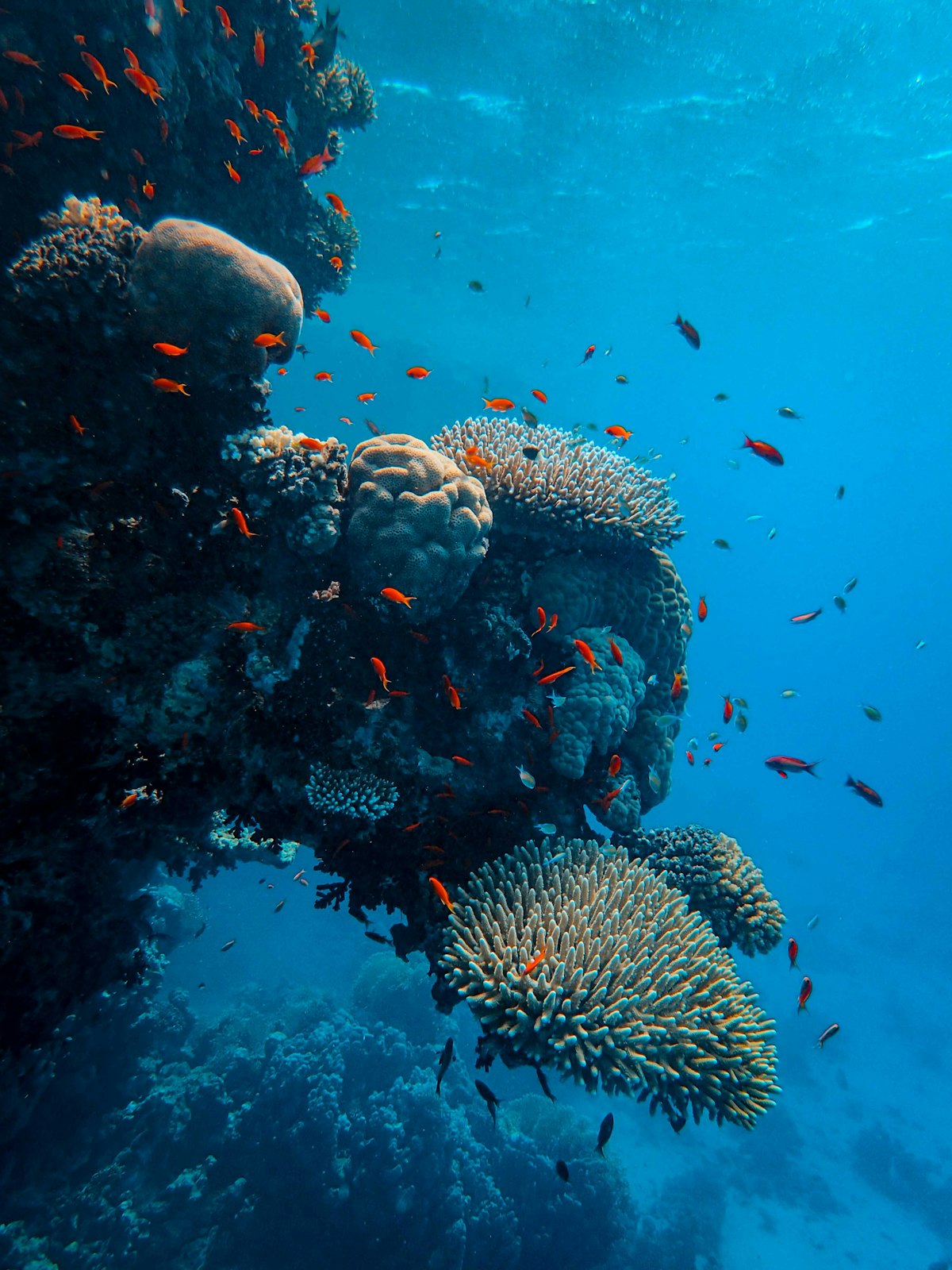
Great Barrier Reef aerial view

Outer Reef

Aerial view, Great Barrier Reef Marine Park

Tides & currents

High tide

Next occurrence

06:42 AM

1.8m

Low tide

Next occurrence

12:58 PM

0.4m

Tidal range

Today

1.4m

Moderate

Weather forecast

☀️

Today

Mostly sunny

31° / 24°

Tomorrow

Partly cloudy

29° / 23°

🌦️

Thursday

Scattered showers

28° / 22°
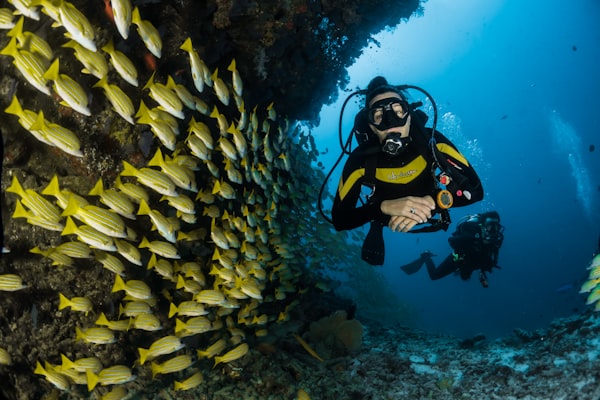
At a Glance

The reef in numbers

2,900+

Individual reefs

Spanning 2,300 km along the Queensland coast

1,500+

Fish species

One of the most biodiverse marine ecosystems on Earth

400+

Coral types

Hard and soft corals creating vast underwater landscapes

Overview

About this location

The Great Barrier Reef is the largest coral reef system on the planet, stretching over 2,300 kilometres along the northeast coast of Australia. Visible from space, it is one of the most complex natural ecosystems ever discovered and supports an extraordinary diversity of marine life.

Built over millennia by billions of tiny coral polyps, the reef comprises nearly 3,000 individual reef systems and hundreds of islands, including 900 islands ranging from small coral cays to large continental islands. Its waters are home to dugongs, dolphins, sea turtles, sharks, rays, and countless invertebrates.

The reef's sheer scale and ecological importance make it one of the most sought-after diving and snorkelling destinations in the world. Water temperatures range from 23°C in winter to 29°C in summer, and visibility regularly exceeds 15 metres on the outer reef.

Key facts

  • UNESCO World Heritage Site since 1981, recognised for its outstanding universal value
  • Largest living structure on Earth, covering 344,400 square kilometres
  • 6 species of sea turtle breed in reef waters, including the endangered green and loggerhead turtles
  • 30+ species of whale and dolphin visit or reside in the reef's protected waters
  • Best diving season is June to October with calm seas, excellent visibility, and minke whale encounters

Explore

Nearby dive sites

World-class sites accessible from the Queensland coast, each offering a unique underwater experience.

Operators

Dive shops & operators

Verified operators departing from the three main gateway towns along the Queensland coast.

Reef Experience

Premium day trips to the outer reef with snorkelling, certified diving, and marine biologist presentations.

Day trips From $229 AUD

Pro Dive Cairns

Multi-day liveaboard trips and PADI certification courses. Three-day, two-night outer reef expeditions.

Liveaboard From $695 AUD

Quicksilver Cruises

High-speed catamaran to Agincourt Reef. Pontoon platform with underwater observatory and semi-sub tours.

Day trips From $264 AUD

Calypso Reef Cruises

Small-group snorkel and dive charters to Opal Reef and the Low Isles. Maximum 25 passengers.

Small group From $210 AUD

Wings Diving Adventures

Whitsunday reef and island trips with guided dives. Visit Bait Reef, Hardy Reef, and Whitehaven Beach.

Day & multi-day From $259 AUD

Cruise Whitsundays

Large-vessel reef pontoon experience at Hardy Reef with introductory and certified dive options.

Day trips From $239 AUD

Get Started

Plan your reef adventure

Set up live monitoring for the Great Barrier Reef and get notified when conditions are perfect for your next dive.

FAQ

Common questions

When is the best time to dive the Great Barrier Reef?

+

June to October offers the best conditions: calm seas, minimal rainfall, visibility up to 30 metres, and water temperatures around 24-26°C. This period also coincides with dwarf minke whale season on the northern reef.

Do I need a certification to dive here?

+

No. Most operators offer introductory dives supervised by instructors for uncertified divers. However, a minimum Open Water certification is required for deeper or more advanced sites like Osprey Reef and the SS Yongala.

How do I get to the outer reef?

+

Day boats depart from Cairns (approx. 90 minutes), Port Douglas (60 minutes), and Airlie Beach (varies). Liveaboard vessels offer multi-day expeditions to more remote sections including the Ribbon Reefs and Coral Sea.

Is the reef safe to visit with jellyfish?

+

Box jellyfish and Irukandji are present in coastal waters from November to May. Operators provide full-body stinger suits during this period. The outer reef is generally less affected, and June to October is largely stinger-free.

What marine life will I see?

+

Expect to see sea turtles, reef sharks, giant clams, manta rays, and an extraordinary variety of tropical fish. Seasonal highlights include dwarf minke whales (June-July), coral spawning (November), and humpback whale migration (July-September).

How accurate is the live data on Fathom?

+

Our data is sourced from AIMS (Australian Institute of Marine Science) sensor buoys, BOM weather stations, and partner operator reports. Water temperature and wind readings update hourly; tide predictions are computed from verified harmonic models.

Stay connected to the reef

Never miss a perfect dive window. Get real-time reef conditions, tide alerts, and weather forecasts delivered to you.

Stay connected to the ocean

Never miss a swell, storm, or perfect dive window. Start monitoring your favourite coastlines today.